IO93ip located in Yorkshire in the north of England
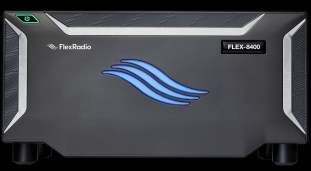
The FlexRadio 8400 is the current main HF radio at G5VZ.
The station today
The G5VZ station
This page will describe the present G5VZ station, the radios in use, the CW keys on the
operating desk, the antennas, and the portable arrangements used away from the main station.
G5VZ operations are based around a FlexRadio 8400. The radio has an internal ATU and runs
100W. The emphasis is on HF operating, CW, SDR, practical station building, and keeping the
station flexible enough for both everyday operating and experimentation.
Placeholder text can later be replaced with a fuller description of the station layout, the
aerial switching arrangements, the logging software, the computer and display setup, and the
operating preferences used for ordinary QSOs, nets, DX and casual listening.
Base station
Radio and SDR operating
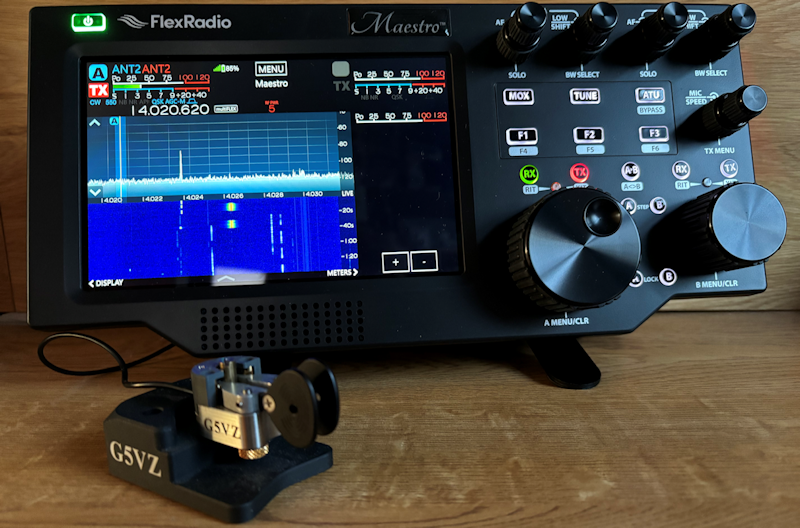
The station is arranged around a modern SDR workflow, with the radio and software forming a
single operating environment. Placeholder text can describe the computer, display, logging,
audio and accessory arrangements.
The SDR display makes band activity visible at a glance, while traditional operating habits
still matter: listening carefully, keeping signals clean, and knowing when to call and when
to wait.
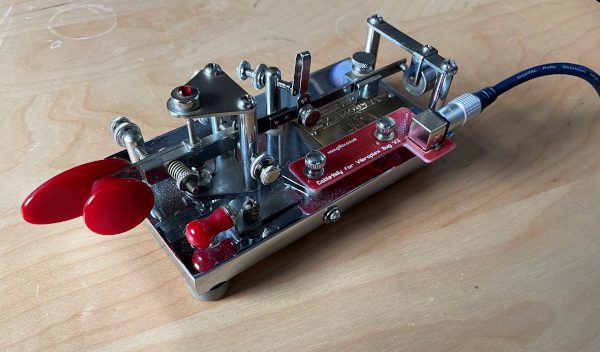
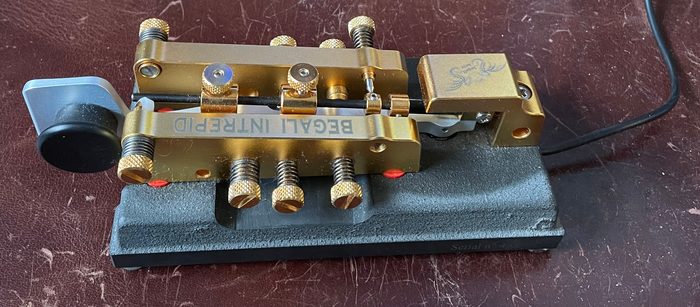
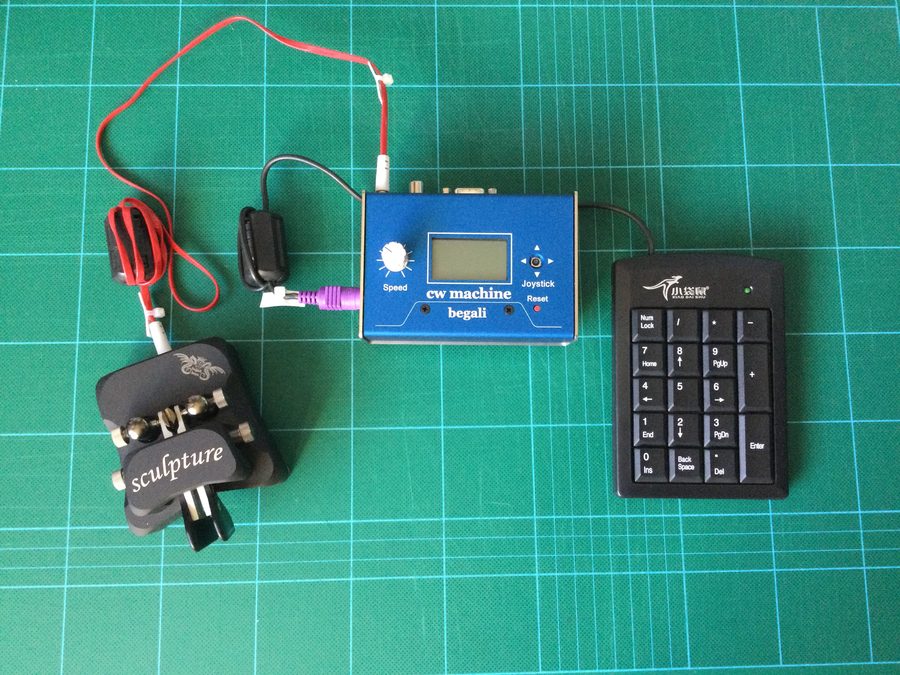
CW remains central to the station. The operating desk includes bug keys, paddles and other
keying arrangements, each with its own feel and rhythm. Placeholder text can later describe
the Begali keys, Vibroplex bugs and any interfaces used for keying the radio.
The choice of key affects the whole character of an operating session. Some keys invite
careful, measured sending; others encourage a more flowing style. This section can include
notes on adjustment, feel and preferred use.
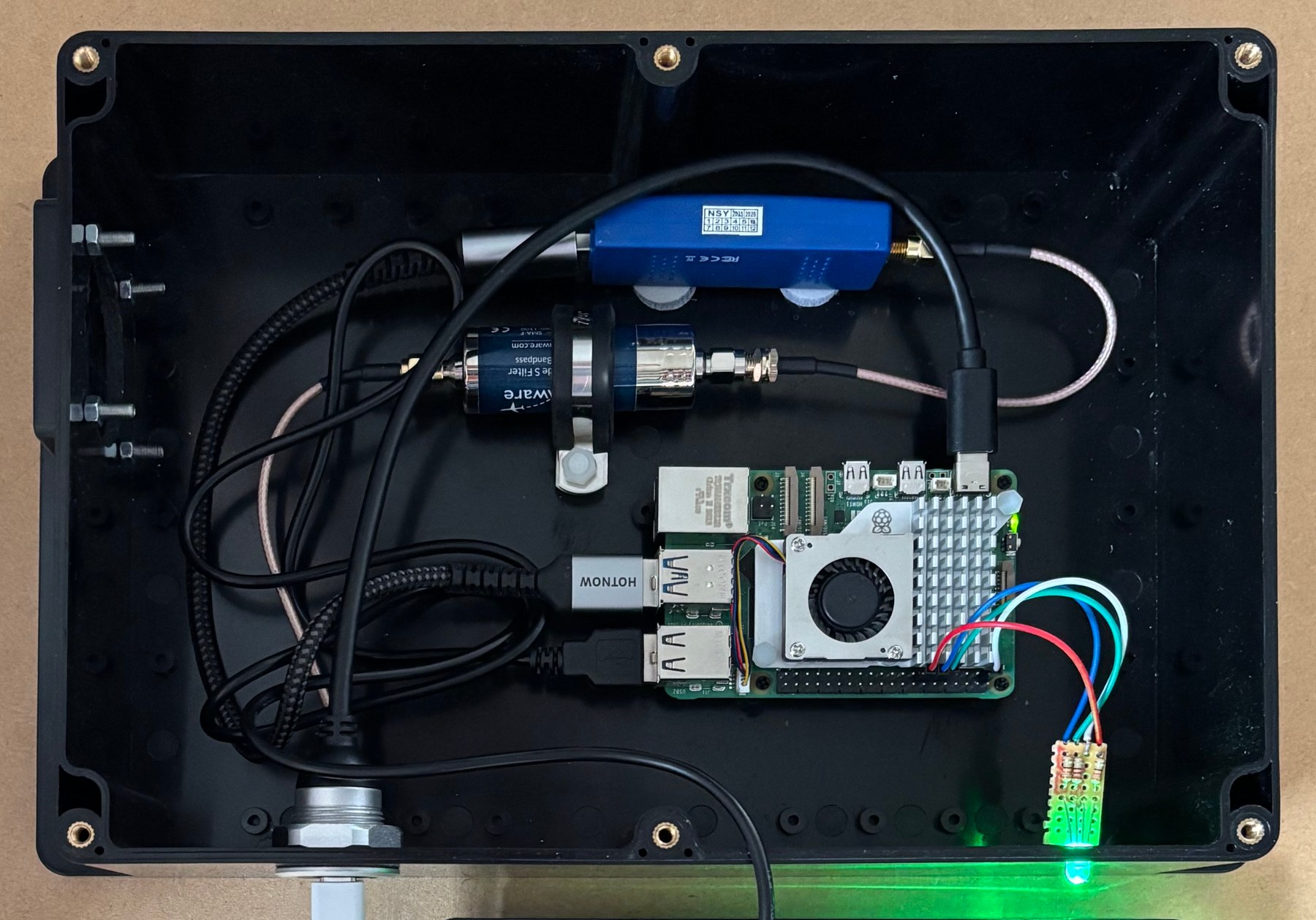
The dedicated Raspberry Pi 5 ADS-B receiver, with FlightAware receiver hardware,
cooling and front-panel status indication.
ADS-B and 1090 MHz
Aircraft tracking receiver
The station now includes a dedicated Raspberry Pi 5 receiver for 1090 MHz ADS-B aircraft
transmissions. FlightAware PiAware and dump1090-fa provide the local SkyAware aircraft map
and feed received data to FlightAware.
The same receiver also supplies a second feed to the 1090MHz UK aggregator. This makes one
set of receiver hardware useful both locally and to more than one external aircraft-tracking
network, without interfering with the normal PiAware feed.
The complete build, enclosure, software arrangement and monitoring are described on the
project page.
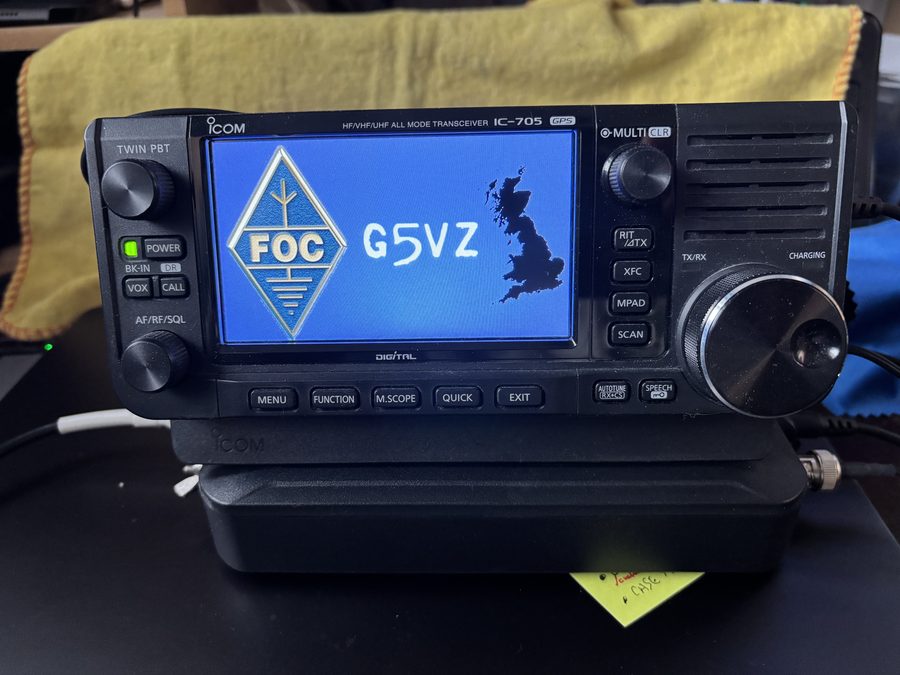
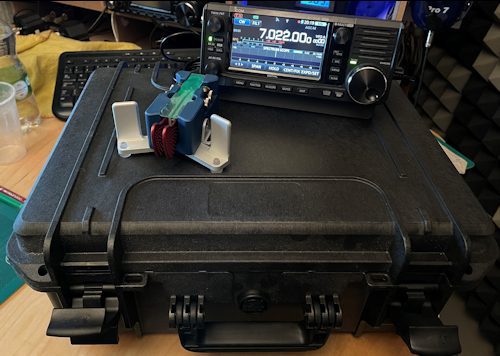
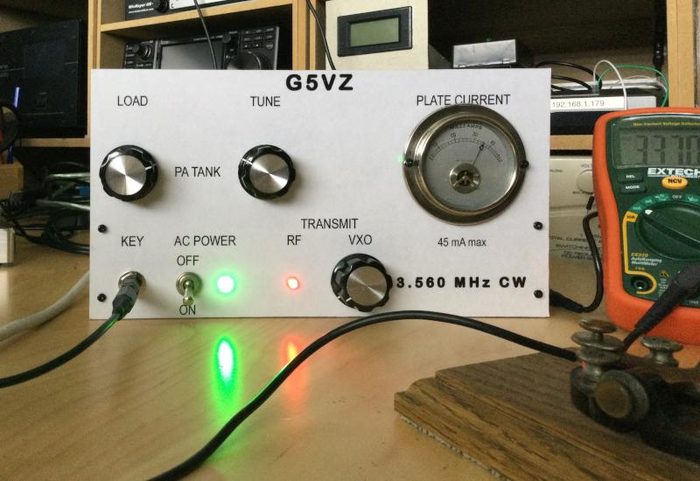
Portable equipment can be kept compact while still supporting proper CW operating.
Portable and QRP
Portable operating
Portable operation is a useful contrast with the home station. It asks for simpler equipment,
lighter antennas and a more deliberate operating style. Placeholder text can describe the
portable radio, battery arrangements, portable keying, logging and antenna choices.
The station photographs in this section can be used to describe outdoor operating, temporary
aerials, the practicalities of carrying equipment, and the pleasure of making CW contacts from
a small and self-contained station.
Later, this panel can include a note on QRP expectations: careful listening, timing, efficient
antennas, and realistic operating goals often matter more than transmitter power.
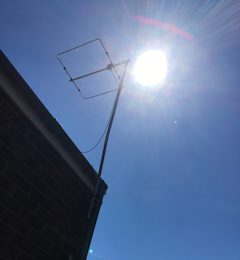
Station notes can include antennas, switching, and practical installation details.
Antennas and history
Antennas, heritage and station notes
This final panel can bring together the practical and historical sides of the station. It can
describe current antennas, previous aerials, experiments, station changes, and the wider
history of the G5VZ call.
Placeholder text can later be replaced with details of the antenna system, the bands most often
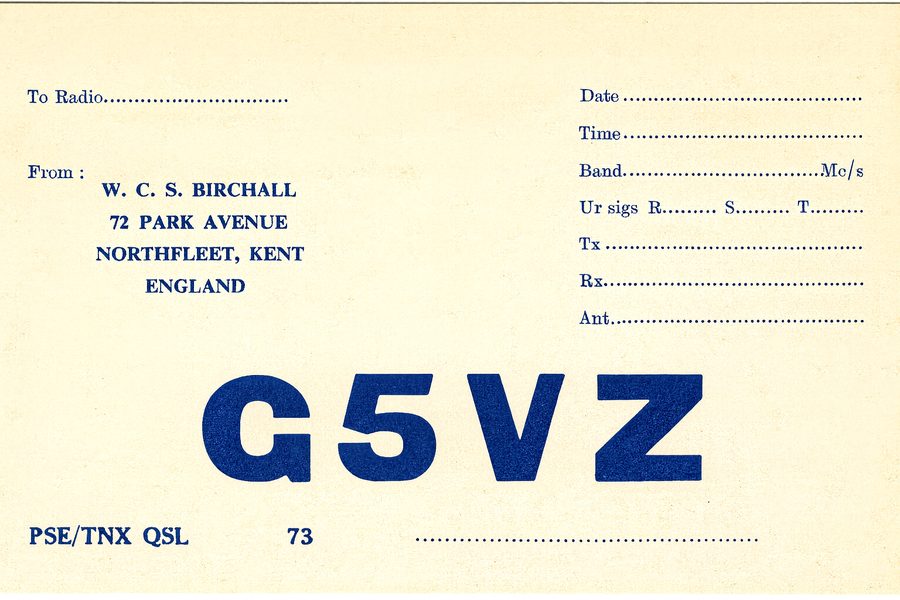
used, any VHF or 4m arrangements, and the story of earlier G5VZ material such as cards, signs
and photographs.